
How can the carbon footprint of raw milk be reduced?
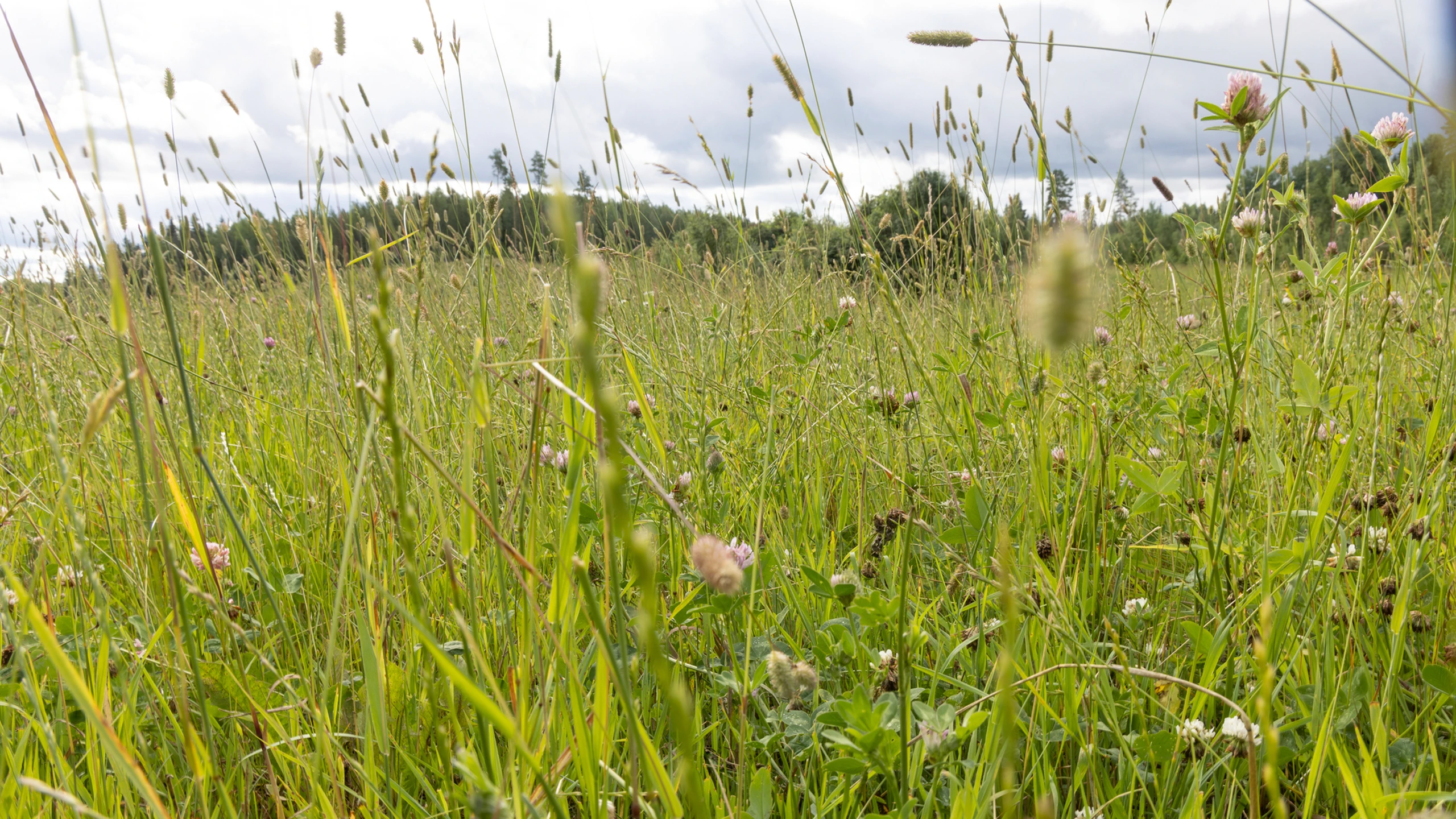
Dairy farms have been working diligently for decades to improve productivity and reduce their climate impact. Many factors influence the carbon footprint of raw milk – from grass cultivation and manure management to cow welfare and the farm’s energy consumption.
Most of the key actions for reducing emissions are already familiar to farms, and they are often economically viable as well.
1. Grassland cultivation
A grass-rich diet and grass cultivation significantly reduce the carbon footprint of milk. On mineral soils, grasslands sequester carbon from the atmosphere, while on organic soils, they help reduce greenhouse gas emissions. Multispecies grasslands also capture nutrients more effectively, helping to reduce eutrophication and acidification.
2. Controlled manure management and biogas
Methane and nitrous oxide are produced during manure storage. Emissions can be reduced by emptying manure tanks before the summer heat sets in, as methane production accelerates as temperatures rise. It is therefore advisable to apply manure to fields as soon as conditions allow.
Transporting manure to a biogas plant is an excellent way to reduce storage emissions and utilize the energy and nutrients in the manure. Many dairy farms already have their own biogas plants or share them with other farms, or manure is delivered from farms to centralized biogas production facilities, such as Suomen Lantakaasu’s biogas plants.
3. Adjusting water levels in peatlands
Greenhouse gas emissions from peatlands can be mitigated by adjusting water levels so that organic matter remains submerged, provided that farming is planned without jeopardizing crop yields. Although raising the water level is not possible on all plots, the primary aim is to avoid the clearing of new peatlands and to focus on improving the yield potential of existing fields.
4. Cow welfare
Cow health is also important for the climate: when a cow lives longer and produces more milk, lifetime methane emissions per litre of milk produced decrease. The need for young stock on dairy farms also decreases, resulting in lower feed consumption for rearing. Breeding aims to produce cows that are high-yielding and have good feed efficiency.
The carbon footprint of raw milk decreases significantly if the cow’s feed efficiency is good, and it’s able to produce the same amount or even more milk with a smaller amount of feed.
5. Energy consumption
Farm machinery consumes fuel, which accounts for approximately 4-10% of the carbon footprint of raw milk. Fuel consumption by farm machinery can be reduced by planning field layouts efficiently. Instead of fuel made from fossil raw materials, farm machinery can use fuel made from renewable raw materials.
It is not very easy to reduce electricity consumption without significant financial costs, but the origin of the purchased electricity can make a difference. By using hydro, wind, or solar power in dairy farm processes, the climate impacts of the farm’s electricity consumption are significantly reduced or nearly eliminated. However, economic viability must be kept in mind to ensure that the electricity bill does not skyrocket.
6. Minimizing waste
Milk and feed waste generates financial losses and increases the product’s environmental impact, so it is important to minimize it. Excess feed can be utilized, for example, by reselling it before it spoils, or by sending spoiled material to a biogas plant to be used as raw material for gas or fertilizers.

Carbo® Environmental Calculator determines an accurate carbon footprint
Reducing the carbon footprint requires a comprehensive approach that brings together technology, science, and practical farm work. The Carbon Environmental Calculator, developed by Volio, is the most important tool for dairy farms. In this process, the calculator determines the precise carbon footprint of an individual dairy farm.
The calculator is certified by the Carbon Trust and complies with international calculation guidelines. Carbo® has been developed specifically for Finnish farming conditions, taking into account the northern growing season, Finnish feeding practices, and local weather conditions.
By 2025, there were already 2,150 farms that had calculated their carbon footprint; this covers approximately 80% of Valio’s total milk procurement. The calculator enables farms to identify the most effective actions for reducing emissions.