Valio supports biodiversity at its Äänekoski production plant
At Valio, responsible food production means taking concrete actions from field to table. Valio’s Äänekoski production plant is surrounded by a biodiverse landscape, where we conducted the first nature survey of our production plant areas and implemented actions to support nature. Eventually, we aim to expand locally tailored nature-supporting actions to our other sites as well.
Valio’s plants are not just production facilities; they coexist with nature and the surrounding environment. That is why maintaining biodiversity also in plant areas is important. This summer, we carried out biodiversity plan-aligned actions at Valio Aura’s home plant in Äänekoski.
Valio’s Äänekoski plant is located on the grounds of an old rectory in Ala-Keitele, on the shores of Suolahti. In addition to production facilities, the plant area has a wide variety of environments rich in species diversity: traditional biotopes, deciduous forests, riparian forests, as well as lower-lying grasslands and forest areas.
In 1919, the Rauharanta rectory was completed on the site of the current Äänekoski production plant. At that time, the estate had a garden, fields, grazing and wooded pastures, and forests. The land was used for small-scale farming and raising livestock until Valio and the parish exchanged land parcels in 1951. The dairy received Rauharanta, and the parish received an area called Kolmio in Pukkimäki.
Nature work begins with the survey
All of Valio’s production plants are located on sites zoned for industrial use. In addition to production facilities, some of these sites also include green areas, and the production plants’ nature work focuses on these areas in particular. The actions are coordinated with food production and food safety requirements.
Maintaining and supporting biodiversity requires knowledge of the existing species and the area’s history. We chose the Äänekoski production plant as our pilot site because its rich natural environment and history offer unique opportunities for action from the perspective of biodiversity.
We began our work in the summer of 2024 by working with local biologists to get a baseline assessment of the area’s natural environment. Based on the assessment, we developed a biodiversity plan that included actions suitable for the area and feasible to implement, aimed at maintaining and enhancing biodiversity. Some of the actions require more work in terms of establishment and maintenance, while others involve leaving a specific natural site outside the scope of active management.
Sheep are grazing again
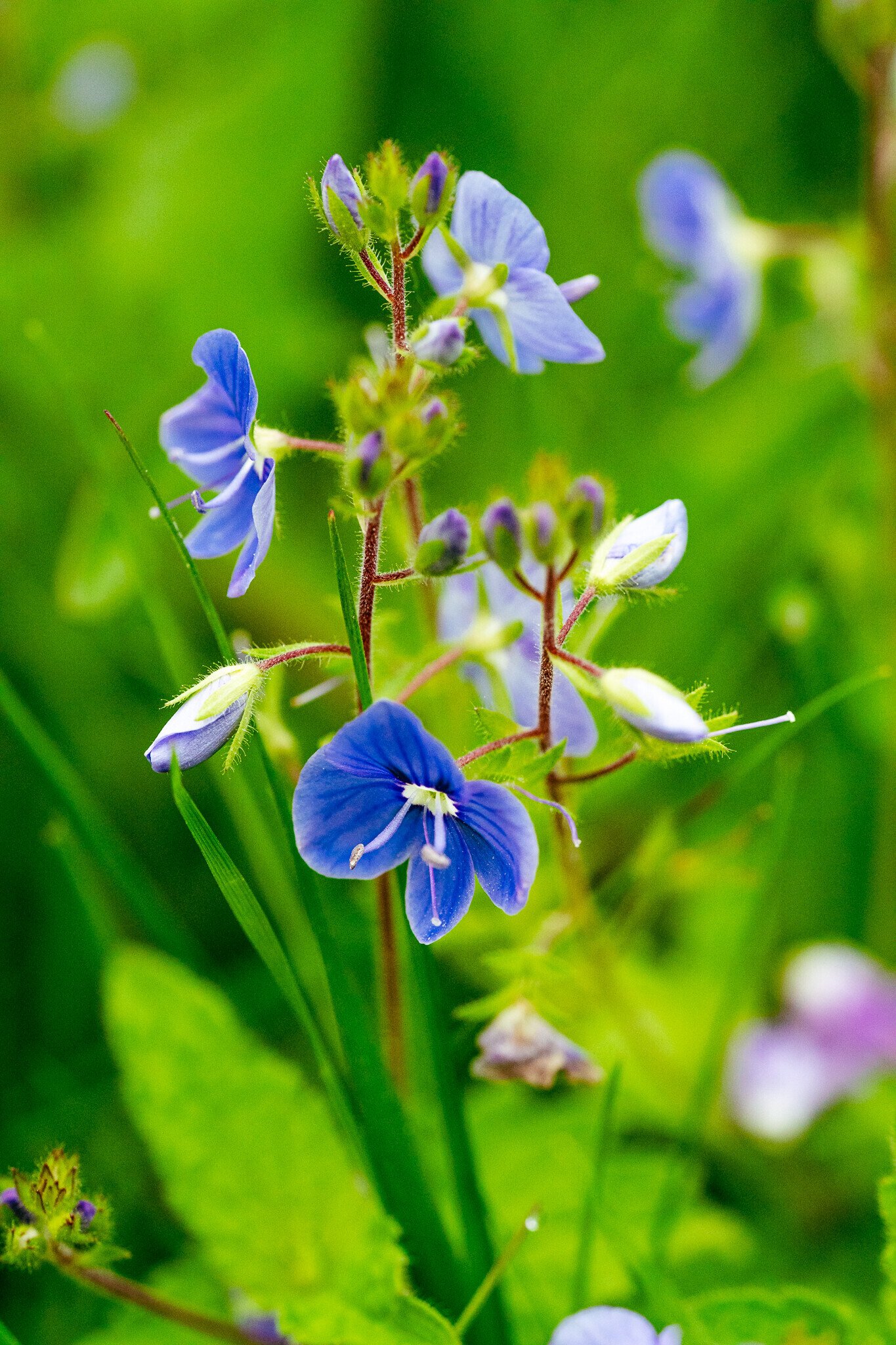
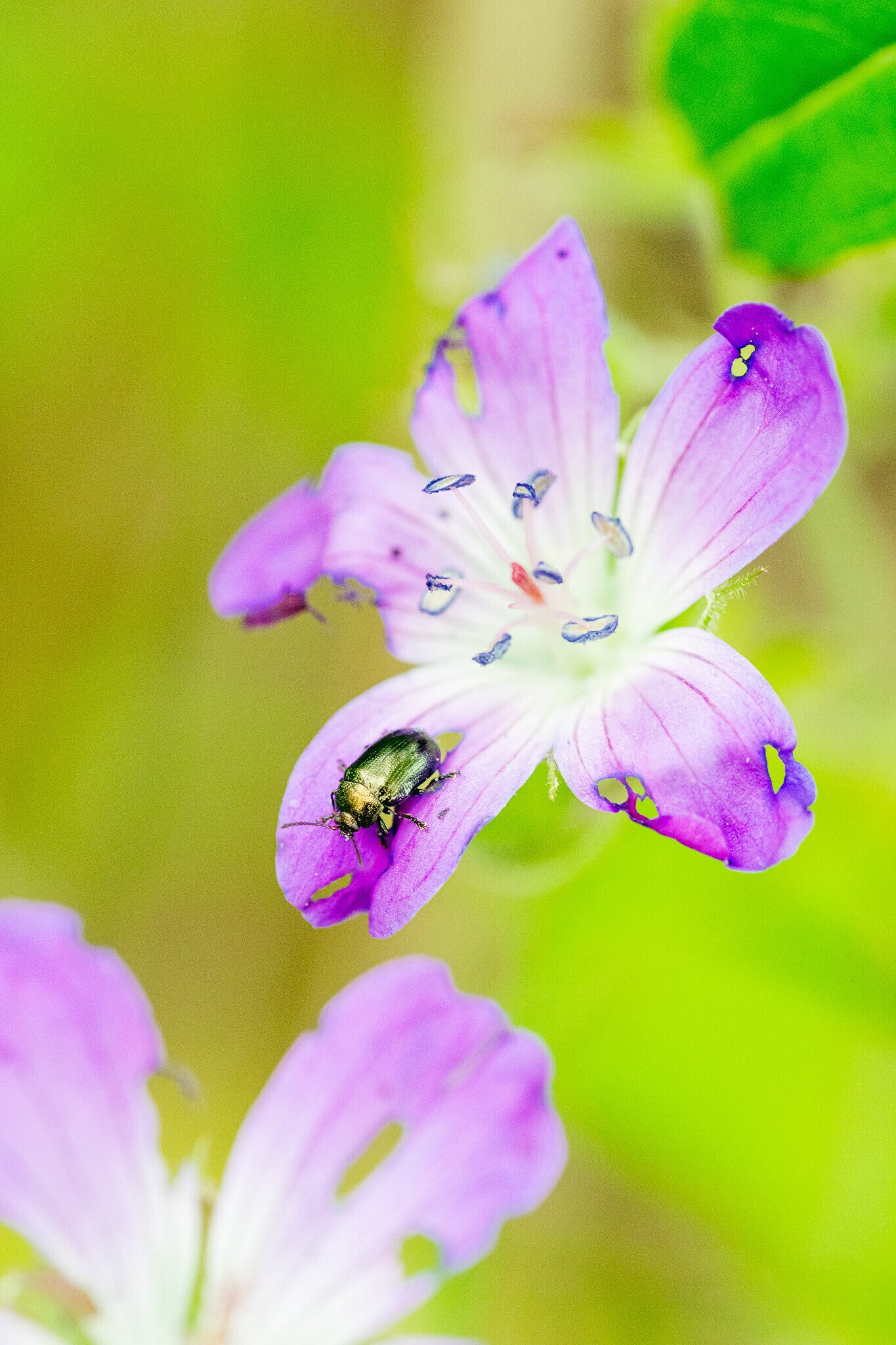
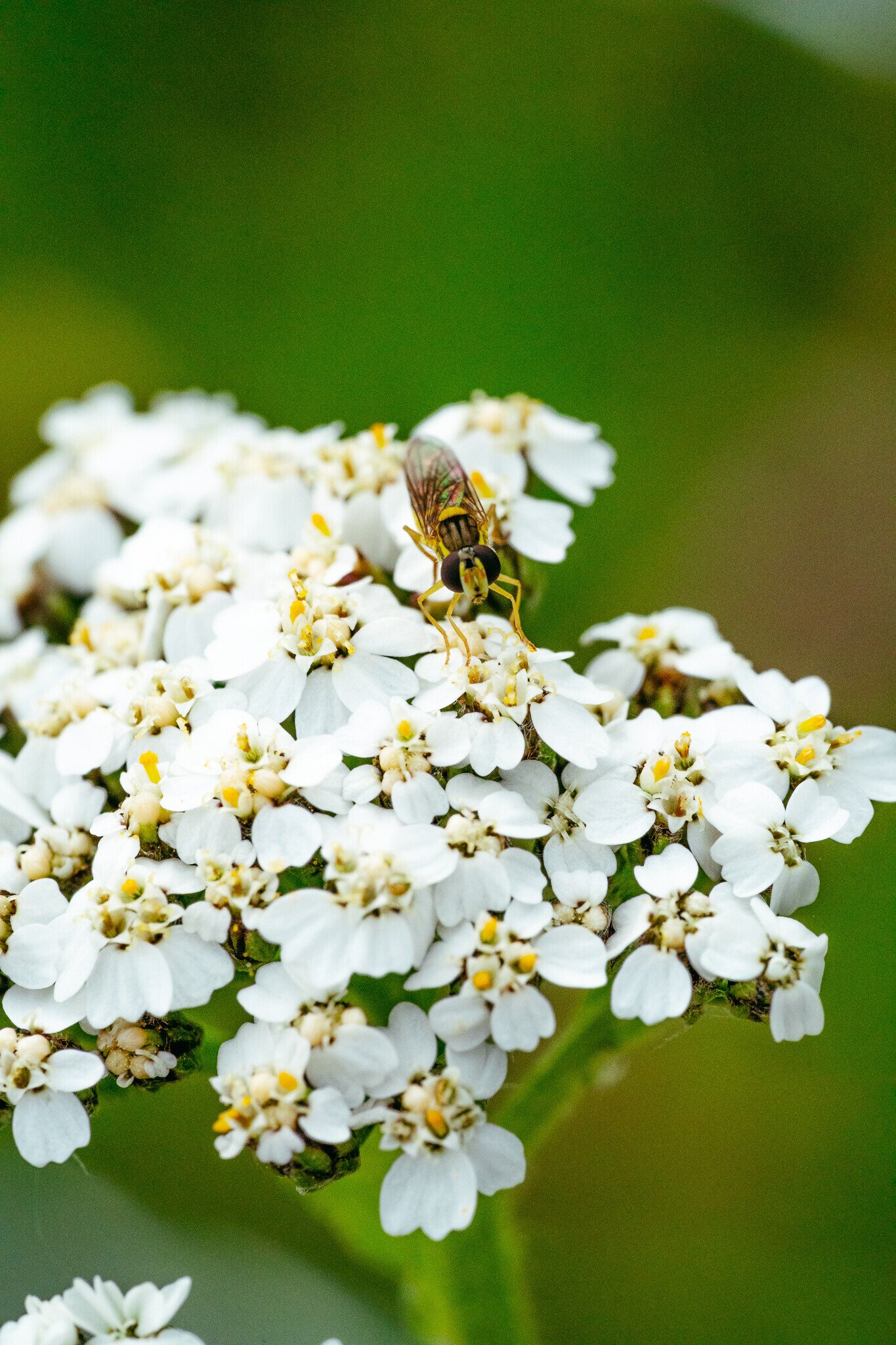
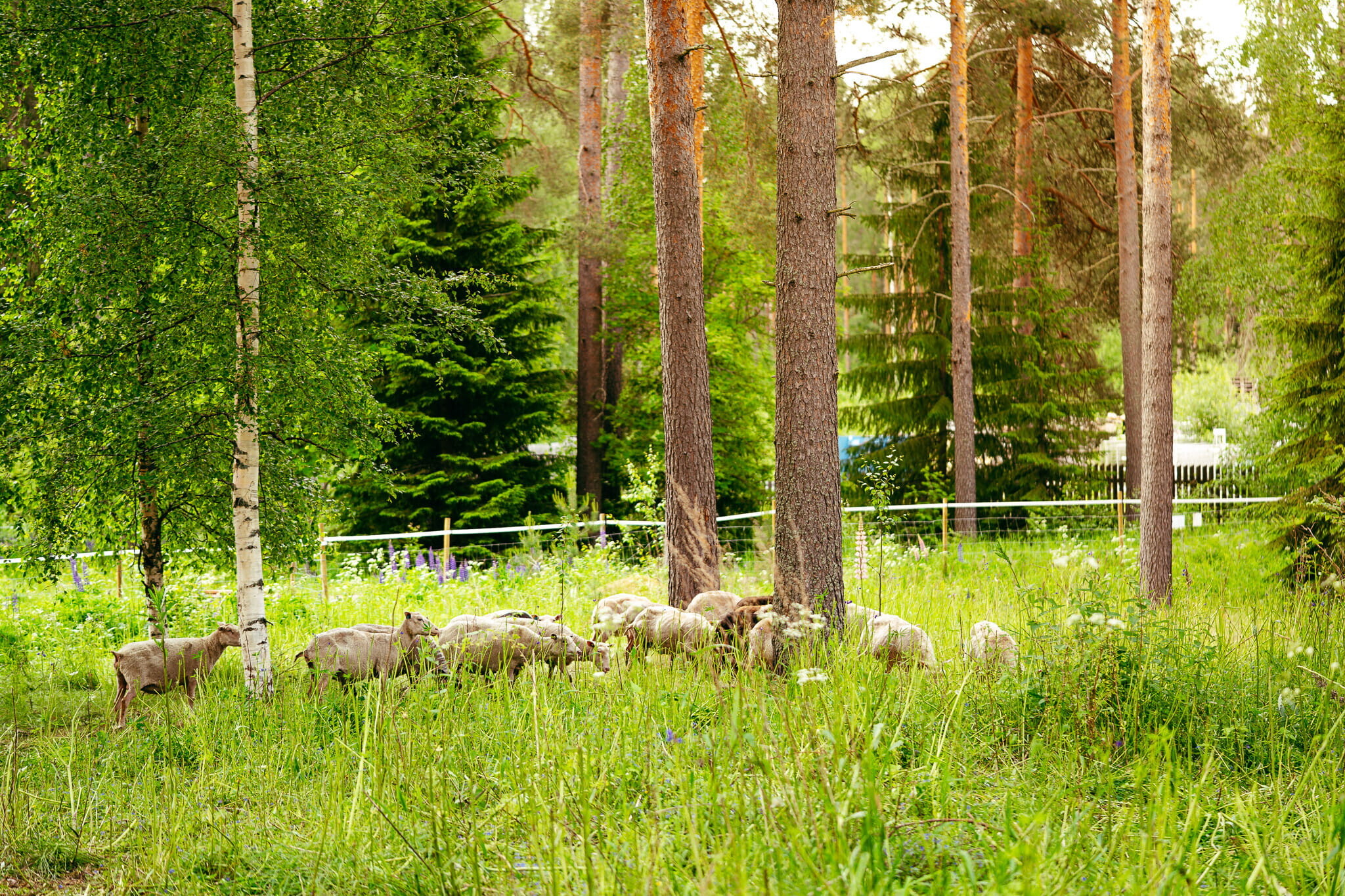
Even today, rare species typical of long-grazed lands can be found around the Äänekoski production plant area. To keep the landscape of these meadow-like areas open, we brought Finnish sheep to the area to graze during the summer. Grazing maintains biodiversity by providing a diverse landscape that supports a wide variety of flowering meadow plants – such as bluebells, meadow pea, and germander speedwell – as well as butterflies, beetles, and many pollinators.


Sheep also eat the big-leaf lupine that has spread throughout the area. Big-leaf lupine is a harmful invasive species that has spread from gardens into the wild. It suppresses other plants and negatively impacts many insects. Eradicating lupines is challenging: the plant is hardy and the seed bank accumulated in the soil can produce new plants for decades. Sheep eat and wither the growing lupines, preventing the seeds from maturing and gradually weakening the vitality of the roots.
The sheep will do important work for the environment in this area throughout the summer. The sheep arrived to graze at the beginning of June and will leave at the end of summer. The public is not permitted to visit the production plant area or to view the sheep.
Nearby forests provide a home for flying squirrels
The Äänekoski production plant site also features impressive forest areas. The site’s riparian forests form a regionally important ecological corridor and the proportion of diverse forest stands is excellent relative to the size of the area. The site’s large trees and diverse forest stands, together with the meadows, create an excellent edge zone of habitats in terms of biodiversity.
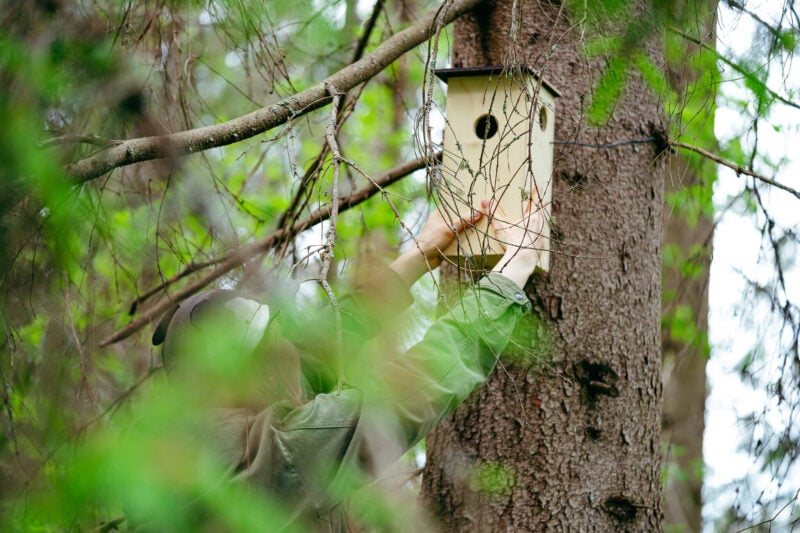
The forest areas around the Äänekoski production plant also contain endangered forest habitats and habitats for endangered species. Flying squirrels have also been spotted in the area, so we decided to place a nesting box in a suitable location for them. Flying squirrels prefer nesting boxes that are placed on large spruce trees in mixed forests that also have deciduous trees nearby.


A dedicated strategy for combating invasive species
Harmful invasive species threaten Finland’s biodiversity, which is why their removal is an essential part of nature work. In conjunction with the nature survey, the site was found to have an abundance of big-leaf lupine as well as dwarf serviceberry, Himalayan balsam, dogwoods, red-berried elder, and rugosa rose thickets. Removing invasive species often requires long-term efforts, in which the proper timing of actions and monitoring of results are key to successful control.
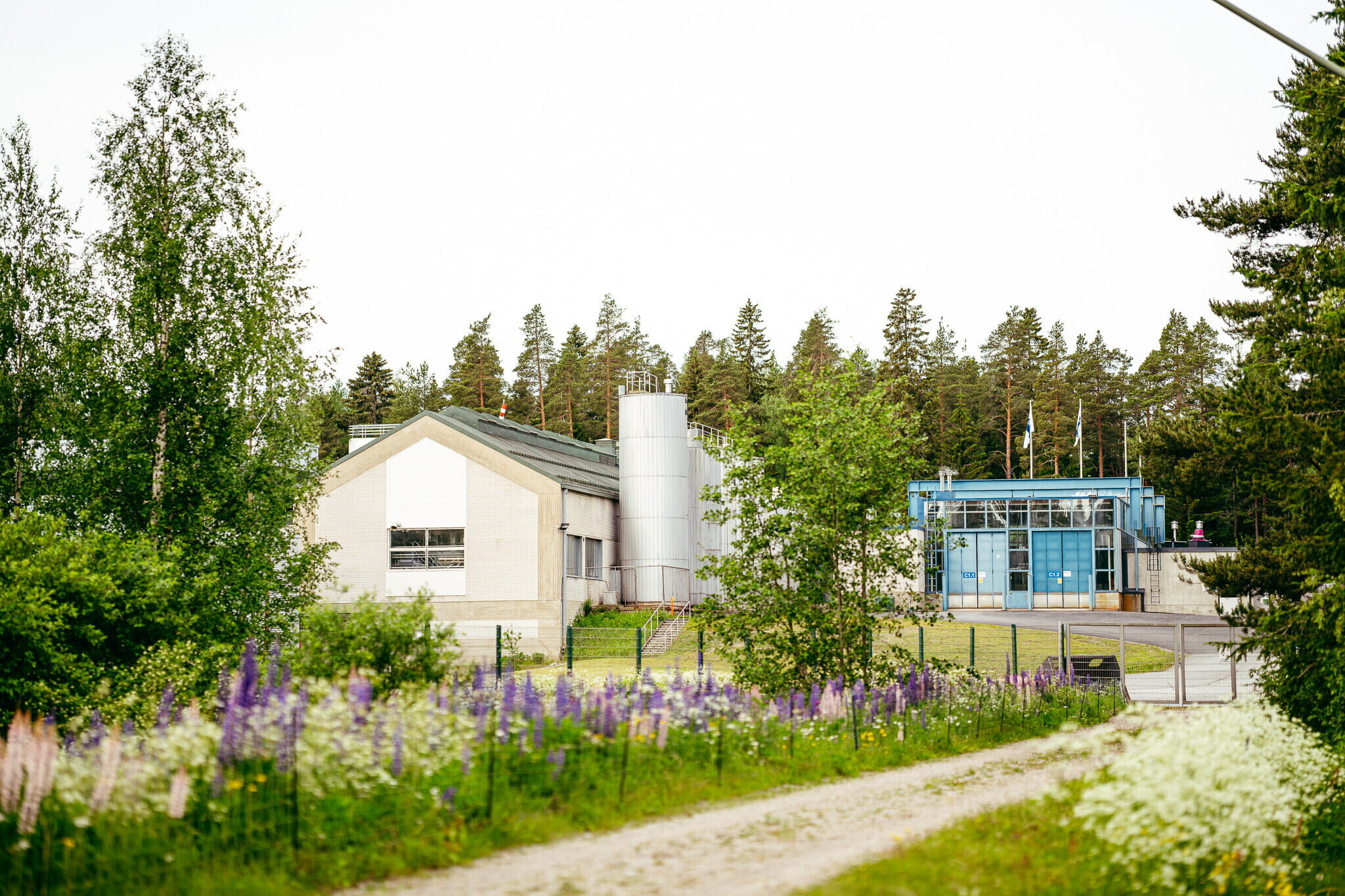
The big-leaf lupine has spread to the area’s meadows and even into the forest floor. Due to the longevity of the lupines’ seed bank, a lupine strategy was developed to support control efforts. The production plant hired two local young people for early-summer invasive species control. They weeded out the plants. The big-leaf lupine that had spread to the roadsides was mowed intensively, cutting the plants close to the ground once the flower stocks began to grow and the roots were at their weakest. In addition, the sheep are taking care of some of the lupine control within the grazing areas. The big-leaf lupine is a slightly toxic plant for sheep, but there is also plenty of other edible vegetation in the pastures.
The rugosa rose thickets, dogwoods, and red-berried elder were removed during the construction of the pasture fences.
Nature-friendly management practices
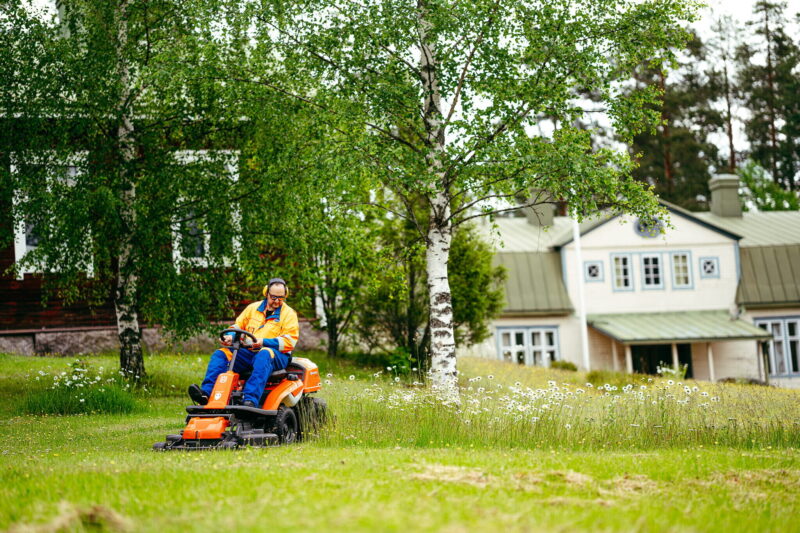
We are now allowing the grass at the Äänekoski production plant site to grow slightly longer. The mower’s cutting height was raised to 8 centimetres, and longer grass is also being left in suitable spots in the area.

This is how Valio supports biodiversity on dairy farms
Valio aims to increase actions that support biodiversity and reduce the impacts that harm it. We support dairy farms by paying a sustainability bonus for actions that benefit nature; for example, we promote regenerative farming and diverse grazing practices, and we participate in research and development activities.