Energy company St1 and food company Valio are establishing a new joint venture, Ekviton Oy, to advance emission reductions and carbon removals in Finland. Ekviton utilises the flexibility mechanism of the distribution obligation, which entered into force in 2025 and enables alternative ways to fulfil the renewable fuels distribution obligation.
Through the flexibility mechanism, fuel distributors can, in addition to supplying renewable fuels, finance other climate actions such as emission reductions and carbon removals in the land use and effort sharing sectors. The aim is to channel funding to climate actions that have not previously had market based financiers and to increase flexibility in meeting the renewable fuels distribution obligation. Under the Distribution Obligation Act, the share of the flexibility mechanism may account for a maximum of 5.5 percentage points of the distribution obligation.
“St1 has long been involved in promoting this type of mechanism as part of the distribution obligation. In the current global situation, it is particularly important that we stay committed to climate targets and ensure consistent implementation so that emission reductions can be achieved in as versatile and cost effective a manner as possible,” says Lea Rankinen, Head of Sustainability and Corporate Affairs at St1.
Measures strictly regulated and verified
All climate change mitigation activities implemented under the flexibility mechanism must be approved by the Finnish Energy Authority prior to their implementation. The resulting mitigation outcomes are verified by an independent third party. In addition, the flexibility mechanism includes a double buffer requirement: for every tonne of carbon dioxide utilised under the distribution obligation, two tonnes of verified emission reductions or carbon removals must be generated.
The purpose of the double buffer requirement is to ensure that the flexibility mechanism delivers real and significant climate benefits and supports the achievement of Finland’s climate targets.
The Finnish Energy Authority has compiled an indicative list of eligible measures, and the flexibility mechanism enables a wide range of climate change mitigation actions to be implemented across different sectors.
First project: restoration of peatlands
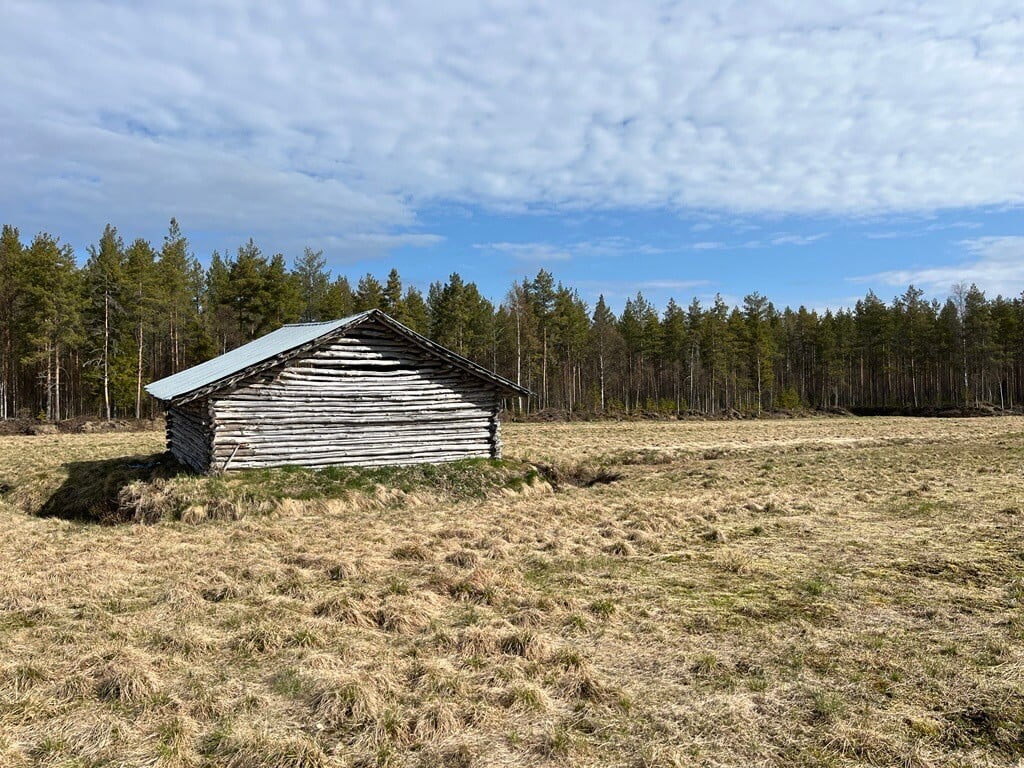
Ekviton’s first funded measure is the restoration of peatlands. The EU Nature Restoration Regulation obliges Finland to improve the state of nature on a broad scale. Ekviton is an example of how the private sector can, through commercial actions, complement public funding in meeting the requirements of the Nature Restoration Regulation.
In the project, peat fields that are difficult to utilise are restored by rewetting them. When peat becomes wet, its decomposition slows down and the release of greenhouse gases into the atmosphere is significantly reduced.
“Many of Valio’s dairy farms are interested in restoring peatlands that are difficult to use. Through Ekviton, we can offer farms financing for these voluntary measures. As a result of this collaboration, emission reductions can generate an entirely new source of income alongside traditional agricultural production. This is also a concrete step forward on Valio’s journey towards a carbon neutral dairy value chain,” says Tuomas Salusjärvi, Director, Expansion Businesses and Renewal at Valio.
Looking also to Europe
While Ekviton’s primary objective is to deliver climate change mitigation activities for meeting the distribution obligation in Finland, the company intends to expand its operations over the longer term. The European Union is currently preparing a certification framework for carbon removals, which could in the future enable mitigation activities to be offered also on EU markets.
“It is clear that the EU will not achieve its climate targets without carbon removals. The expertise and operating models developed through the flexibility mechanism could, within a few years, open new opportunities for this type of business also in Europe,” Rankinen says.
“It is great that through Ekviton we can work together on climate change mitigation and strengthen the role of dairy farmers as contributors to emission reductions. In addition, they receive tangible financial benefits from emissions reduction activities. The agricultural sector holds significant untapped potential from the perspective of voluntary carbon markets. With Ekviton, we can also make effective use of the distribution obligation in agriculture,” Salusjärvi adds.